
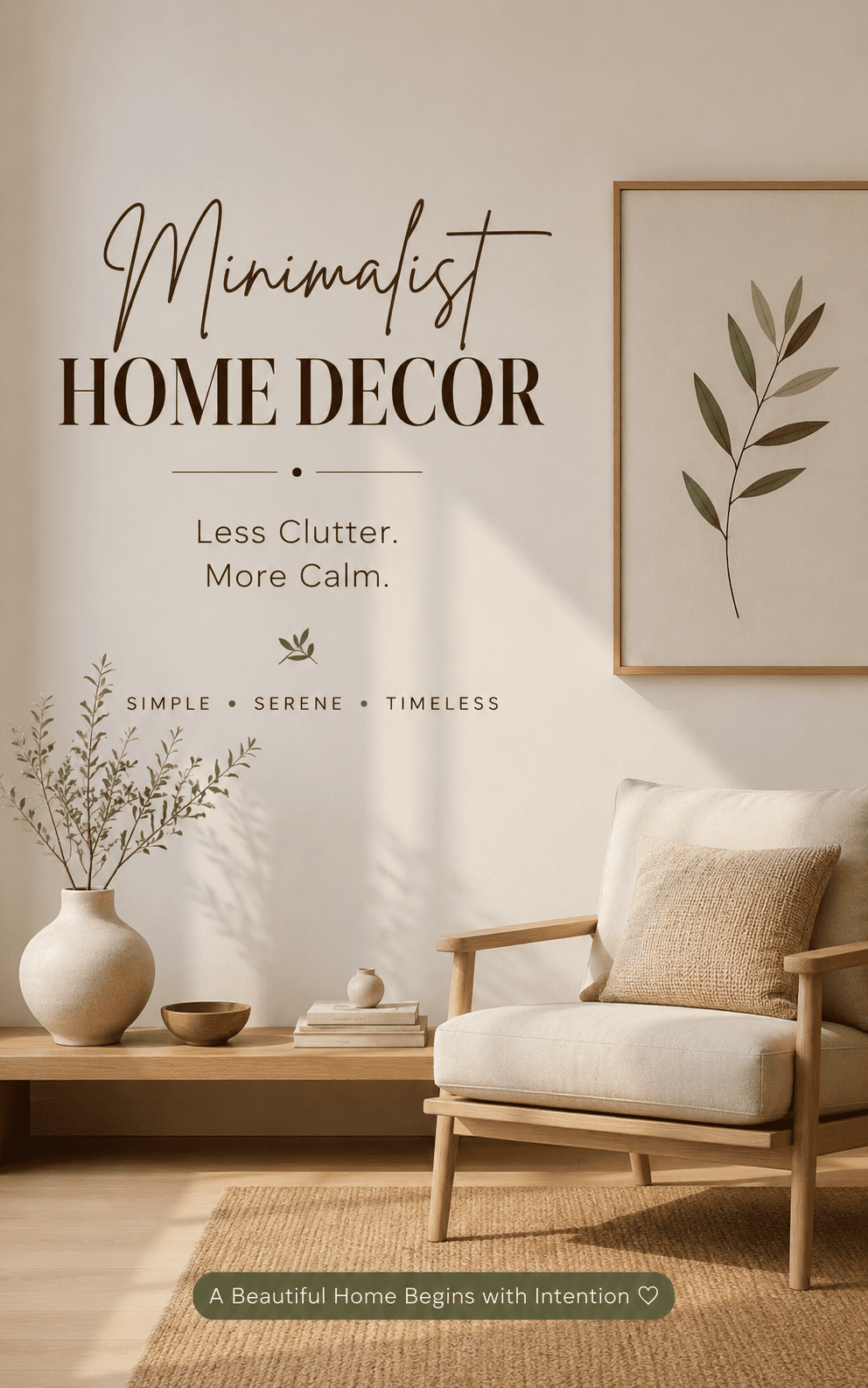
Minimalist home decor has become one of the most popular interior design trends for modern living. People today want homes that feel peaceful, organized, elegant, and easy to maintain. Minimalism is not only about having fewer items; it is about creating a balanced lifestyle where every piece in your home serves a purpose while adding beauty and comfort.
Whether you live in a small apartment, a modern townhouse, or a large family home, minimalist interior design can completely transform your space. With clean lines, curated color palettes, functional furniture ideas, and clutter-free layouts, minimalist decor creates an atmosphere that feels open, airy, and deeply relaxing.
- What Is Minimalist Home Decor?
- Why Minimalist Home Decor Is So Popular
- Core Principles of Minimalist Interior Design
- Best Color Palettes for Minimalist Home Decor
- Minimalist Living Room Ideas
- Minimalist Bedroom Decor Ideas
- Minimalist Kitchen Design
- Minimalist Bathroom Decor
- Minimalist Home Office Ideas
- Best Furniture for Minimalist Homes
- Minimalist Decor Accessories
- Minimalist Lighting Ideas
- How to Declutter Your Home for a Minimalist Look
- Budget-Friendly Minimalist Home Decor Ideas
- Minimalist Decor Trends in 2026
- Minimalist Home Decor for Small Apartments
- How Indoor Plants Improve Minimalist Interiors
- Sustainable Minimalist Living
- Minimalist Decor Inspiration from Scandinavian Design
- Creating a Cozy Minimalist Home
- Minimalist Decor for Families
- Common Mistakes to Avoid in Minimalist Decor
What Is Minimalist Home Decor?
Minimalist home decor is an interior design style focused on simplicity, functionality, and intentional living. The concept follows the philosophy of “less is more.” Instead of filling rooms with excessive decorations and furniture, minimalist design highlights open spaces, clean surfaces, and carefully selected decor pieces.
The main goal is to create a calm and organized environment that feels visually appealing without looking empty or cold. Minimalism allows homeowners to focus on comfort, balance, and practicality while maintaining a stylish, modern appearance. Key elements include:
Why Minimalist Home Decor Is So Popular
Minimalist interiors continue to grow in popularity because they offer both visual beauty and practical benefits. Modern lifestyles are busy, and many people want homes that reduce stress, simplify organization, and improve mental clarity.
- Creates a Peaceful Environment: Eliminating visual clutter helps reduce stress and daily anxiety.
- Makes Small Spaces Look Bigger: Maximizes open space and improves functionality in compact rooms.
- Easier to Clean and Maintain: Fewer decorative items mean less dust, less mess, and easier daily organization.
- Timeless Style: Unlike fleeting trends, minimalist design remains elegant and relevant for many years.
- Encourages Intentional Living: Helps focus on meaningful possessions rather than unnecessary consumer accumulation.
Core Principles of Minimalist Interior Design
To create a truly minimalist home, it is important to understand the basic principles behind the style. These guidelines ensure your space feels warm and balanced rather than empty.
Best Color Palettes for Minimalist Home Decor
Color selection plays a major role in minimalist interiors. Neutral tones create harmony, visual balance, and a soothing backdrop that ties different design elements together.
Pure White
Beige / Cream
Soft Gray
Olive Green
Charcoal Black
Popular Color Combinations
Minimalist Living Room Ideas
The living room is often the centerpiece of a home. A minimalist living room should feel comfortable, welcoming, and entirely clutter-free.

Design Guidelines
Select sofas and chairs with clean lines and neutral fabrics. Stick to a limited palette of two or three main colors. Use linen cushions, soft rugs, and wooden furniture to add warmth. Keep decor minimal: instead of many small decorative objects, choose just one or two statement pieces (like a large abstract painting or a sculptural floor lamp).
“Minimalism is not about empty spaces; it is about filling a space with intentional meaning, curated textures, and functional elegance.”
Minimalist Bedroom Decor Ideas
A minimalist bedroom should promote absolute relaxation, tranquility, and restful sleep. Keep furniture simple and functional to clear visual clutter from your sleep space.


Key Styling Choices
Incorporate a low-profile platform bed, simple wooden bedside tables, and a clean dresser. Use warm bedside lighting to create a cozy atmosphere, and avoid excess wall decorations to keep the room feeling spacious. Investing in high-quality organic cotton or linen bedding elevates both comfort and style.
Minimalist Kitchen Design
Minimalist kitchens are highly functional, organized, and visually clean. Use flat-front, handleless cabinets to create a sleek modern surface. Keep countertops clear of small appliances by planning hidden storage garages. Choose neutral finishes like white, gray, beige, and natural wood, and install modern pendant or recessed lighting to illuminate work zones cleanly.
Minimalist Bathroom Decor
A minimalist bathroom should feel spa-like, bright, and refreshing. Stick to neutral color stories with white tiles, beige walls, and natural textures. Floating vanities are ideal because they expose more floor plane, creating the illusion of more space. Complete the look with stone sinks, simple wood accents, potted plants, and minimal accessories.
Minimalist Home Office Ideas
Remote work highlights the need for a focused workspace. Minimalist home offices improve productivity by eliminating visual distractions. Use a clean, cord-free desk setup, choose an ergonomic office chair, incorporate proper task lighting, and utilize hidden cable management solutions to keep technology organized.
Best Furniture for Minimalist Homes
Minimalist furniture focuses on quality craftsmanship, durable natural materials, and timeless silhouettes that outlast seasonal design trends.
Recommended Design Styles
Materials that Work Best
Prioritize natural wood, clear glass, textured linen, breathable cotton, raw stone, and matte metal finishes. Avoid bulky or oversized furniture, choose multi-functional pieces (like storage ottomans or nesting tables), and select neutral upholstery fabric to maintain visual balance.
Minimalist Decor Accessories
Minimalist homes still use decor accessories, but they are chosen carefully and placed intentionally. Choose a few high-quality, sculptural pieces that add personality without cluttering surfaces:
Minimalist Lighting Ideas
Lighting dramatically affects the mood and perceived size of minimalist interiors. Maximize natural daylight using sheer curtains and open layouts. For artificial light, layer your light sources: combine ambient recessed lighting with functional task lighting (desk or reading lamps) and subtle accent lighting (LED strip backlighting or wall sconces) to create warmth and open up dark corners.
How to Declutter Your Home for a Minimalist Look
Decluttering is the foundational step toward achieving a beautiful minimalist home. Follow these four simple steps:
- Remove Unnecessary Items: Donate, sell, or recycle possessions you have not used in the past year.
- Organize Storage: Use hidden cabinets, closets, and storage drawers to keep everyday items out of sight.
- Keep Surfaces Clear: Make it a rule to keep countertops, dining tables, and shelves free of daily clutter.
- Buy Mindfully: Transition to a “one-in, one-out” rule to prevent future accumulation of unnecessary items.
Budget-Friendly Minimalist Home Decor Ideas
Minimalist design does not require expensive designer furniture or luxury renovations. Because it focuses on editing rather than adding, minimalism can actually save you money. Paint walls white or cream, rearrange your existing furniture to maximize open floor space, buy secondhand wooden furniture to refinish, add affordable indoor plants, and replace heavy, dark curtains with light, sheer fabrics.
Minimalist Decor Trends in 2026
Modern minimalist design continues to evolve toward softer, warmer, and more comfortable expressions. Key 2026 trends include:
- Warm Minimalism: Combining cozy textures, organic shapes, and soft tones instead of sterile stark whites.
- Japandi Design: The popular fusion of Japanese artistic simplicity and Scandinavian cozy functionality.
- Sustainable Materials: Utilizing eco-friendly, recycled, and non-toxic materials for furniture and decor.
- Smart Home Integration: Concealing technology seamlessly into custom cabinetry and furniture.
- Organic Shapes: Introducing curved sofas, rounded mirrors, and soft edges to make rooms feel more inviting.
Minimalist Home Decor for Small Apartments
Minimalism is highly effective in small apartments because it creates the illusion of space. Use multifunctional furniture (like storage beds, foldable dining tables, or modular sectional sofas). Maximize vertical storage with floating shelves, and hang large wall mirrors opposite windows to reflect light and double the room’s visual depth.
How Indoor Plants Improve Minimalist Interiors
Plants bring life, organic movement, and fresh color into neutral, minimalist homes. They soften clean architectural lines and improve indoor air quality. Select low-maintenance plants in simple clay or ceramic pots:
Sustainable Minimalist Living
Minimalism naturally supports sustainability because it encourages mindful consumption. To build an eco-friendly home, buy high-quality, long-lasting furniture that will not need to be replaced, prioritize certified natural materials (like FSC wood and organic linen), reduce impulse purchases, repurpose existing furniture, and choose energy-efficient LED lighting.
Creating a Cozy Minimalist Home
Many people worry that minimalist homes look cold or empty, but cozy minimalism is easy to achieve. Add warm textures like thick wool blankets, linen curtains, and soft rugs. Use warm-toned light bulbs (2700K) to create a relaxing atmosphere, and display a few highly meaningful personal items (like travel photos or heirlooms) rather than generic decorations.
Minimalist Decor for Families
Minimalism can work well even for busy families. The key is organizing smart storage. Focus on closed storage solutions (like toy trunks and storage cabinets) to maintain clean spaces, choose durable, easy-to-clean furniture materials, plan functional layouts that allow open movement, and encourage children to declutter and value experience over clutter.
Common Mistakes to Avoid in Minimalist Decor
Keep your minimalist space balanced and welcoming by avoiding these common design pitfalls:
-
Making Spaces Feel Too Empty: Minimalism is about curation, not deprivation. Do not remove essential furniture or items that bring you comfort and joy.
-
Ignoring Texture: Without a mix of wood, fabrics, stone, and rugs, a neutral room will appear flat, cold, and uninviting. Layer textures to create warmth.
-
Using Too Many Colors: Too many competing colors disrupt visual harmony. Stick to a cohesive palette of neutrals with one or two soft accents.
-
Buying Cheap, Low-Quality Furniture: Minimalism emphasizes quality over quantity. Cheap furniture wears out quickly and goes to landfills; invest in sturdy, timeless pieces.
-
Overdecorating Surfaces: Avoid filling every open shelf or tabletop with decorative items. Allow negative space to give the eye a place to rest.
Frequently Asked Questions About Minimalist Home Decor
What is minimalist home decor?
Minimalist home decor is an interior design style focused on simplicity, functionality, and intentional living. It follows the philosophy of “less is more” by emphasizing open spaces, clean surfaces, and carefully curated furniture.
What are the benefits of minimalist design?
Minimalism creates a peaceful, stress-reducing environment, makes small spaces look larger, makes rooms easier to clean and maintain, encourages mindful consumption, and offers a timeless style that never goes out of fashion.
How do you add warmth to a minimalist home?
Add warmth by layering soft, natural textures like wool blankets, linen curtains, and woven rugs. Incorporate warm wood tones, organic shapes, indoor plants, and soft, layered lighting.
What is Japandi design?
Japandi is a trending design style that blends Japanese artistic simplicity with Scandinavian cozy functionality (hygge) to create warm, balanced, and nature-inspired minimalist spaces.