
Minimalism has evolved from being a design trend into a lifestyle movement. People are increasingly seeking calm, organized, and aesthetically pleasing environments that reduce stress and improve daily life. Great minimalist home decor combines simplicity, functionality, and beauty while eliminating unnecessary clutter.
A minimalist home does not mean empty rooms or boring spaces. Instead, it focuses on carefully selected furniture, purposeful decor, clean lines, and a balanced color palette that creates harmony and sophistication.
Whether you live in a small apartment, a modern house, or a large family home, minimalist design principles can completely transform your living environment. In this complete guide, you’ll discover everything about creating great minimalist home decor, including design principles, furniture ideas, color schemes, room-by-room inspiration, and expert decorating tips.
- What Is Minimalist Home Decor?
- Core Principles of Great Minimalist Decor
- Room-by-Room Minimalist Inspiration
- Best Furniture Choices for Minimalist Design
- Adding Personality & Small Space Tips
- Common Decorating Mistakes to Avoid
- Modern Trends & Step-by-Step Transition
- Frequently Asked Questions (FAQs)
What Is Minimalist Home Decor?
Minimalist home decor is an interior design style that emphasizes clean lines, functional furniture, open spaces, and simple color palettes. The philosophy behind minimalism is simple: Less clutter, more purpose.
Minimalist spaces avoid visual noise and create environments that feel peaceful and welcoming. Rather than filling rooms with numerous decorative pieces, minimalist homes focus on selecting items that serve a purpose or bring genuine value.
Why Minimalist Home Decor Is So Popular
- Reduces Stress: Cluttered environments can feel overwhelming. Organized and simplified spaces help create a calmer atmosphere.
- Makes Small Spaces Feel Bigger: Minimalist design uses open layouts and smart furniture choices that make rooms appear larger.
- Easier Maintenance: Fewer items mean less cleaning and less effort to keep your home organized.
- Saves Money: Minimalism encourages thoughtful purchasing rather than impulsive decorating.
- Creates Timeless Style: Unlike trends that quickly disappear, minimalist interiors remain elegant for years.
Core Principles of Great Minimalist Home Decor
Understanding foundational design principles helps create authentic minimalist interiors.
1. Function Comes First
Every item should have a purpose. Ask these questions: Does this item serve a practical function? Does it improve the room? Is it truly necessary? If the answer is no, reconsider adding it.
2. Keep Color Palettes Simple
Minimalist interiors often use neutral colors because they create a calm and cohesive appearance. Popular minimalist colors include White, Cream, Beige, Soft Gray, Taupe, and Warm Earth tones. Accent colors can include Sage green, Black, Navy blue, and Dusty pink.
Cream
Parchment
Sage Pale
Clay Pale
Clay Accent
3. Prioritize Natural Light
Natural lighting makes minimalist spaces feel brighter and larger. Maximize light by using sheer curtains, keeping windows unobstructed, installing mirrors, and choosing reflective surfaces or glass elements.
4. Invest in Quality Furniture
Minimalism values quality over quantity. Instead of buying multiple inexpensive pieces, select fewer high-quality furniture items, like solid wood dining tables, comfortable sectional sofas, and elegant bed frames.
Room-by-Room Minimalist Inspiration
Let’s look at how to apply minimalist principles to the main areas of your home.
The Minimalist Living Room
The living room often becomes the center of minimalist design. Choose furniture with straight lines, smooth surfaces, and minimal detailing, such as low-profile sofas, round coffee tables, and simple shelving units.
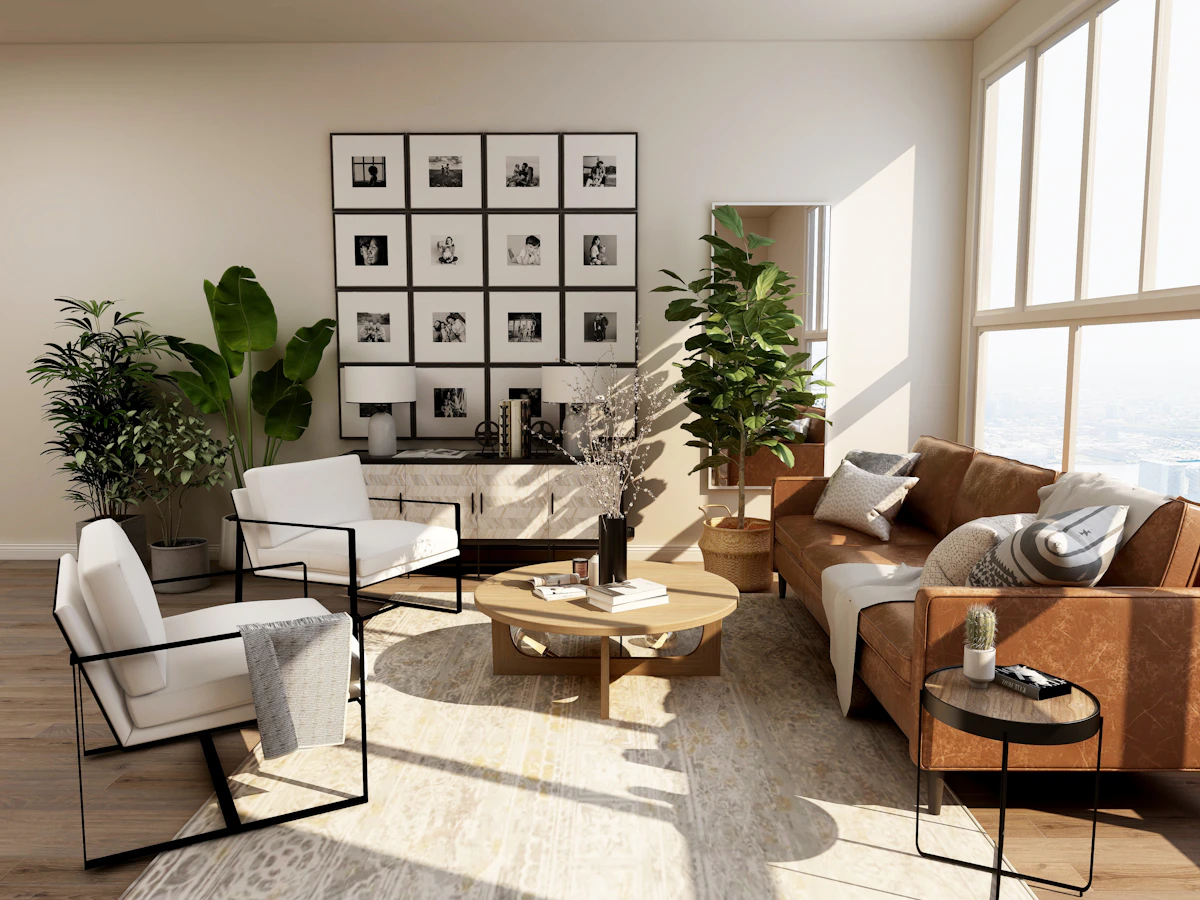
Instead of overloading your living room with many decorative objects, choose one large artwork piece, a textured rug, indoor plants, and neutral cushions to add depth without clutter.
“Texture is the secret weapon of minimalist design. Layering linen, wool, and wood accents adds depth and character without creating visual noise.”
The Serene Minimalist Bedroom
Bedrooms should feel relaxing and peaceful. Keep bedding simple with white bedding, neutral blankets, soft cotton sheets, and minimal patterns.

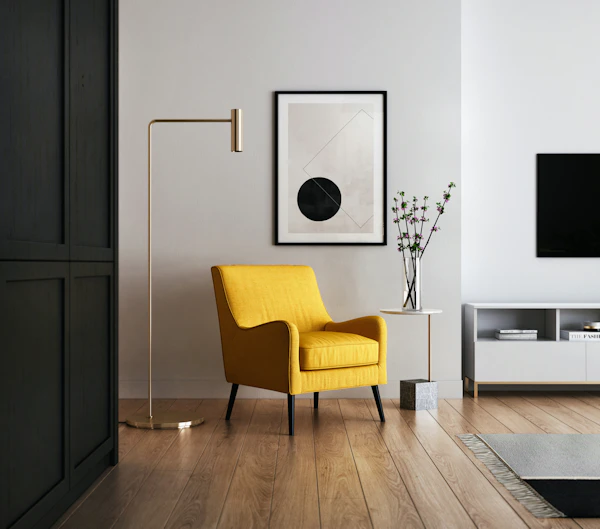
Reduce furniture quantity to the essentials: bed, nightstand, storage solutions, and lighting. Make use of concealed storage options like under-bed storage, built-in closets, and storage benches to hide clutter.
The Functional Kitchen & Bathroom
High-traffic areas like kitchens and bathrooms benefit greatly from minimalism. Keep countertops clear of appliances and clutter, choosing instead to display only essentials like a wood cutting board, fruit bowl, or a small plant.
For cabinets, choose sleek flat-panel or handleless designs with matte finishes. In the bathroom, select neutral materials like white tiles, concrete surfaces, stone finishes, and wood accents. Use floating sink vanities and wall-mounted storage to create a spacious feeling.
Best Furniture Choices for Great Minimalist Home Decor
Minimalist furniture combines beauty and functionality. Focus on items with clean profiles and structural durability:
- Sofas: Look for neutral colors, low-profile designs, and simple silhouettes.
- Coffee Tables: Choose glass tables, wood tables, or stone surfaces that feature straight lines or simple geometric shapes.
- Dining Tables: Select natural wood finishes, rectangular shapes, and tables with minimal under-frame detailing.
- Beds: Opt for platform beds, clean wooden frames, or upholstered minimalist styles.
- Shelving: Install floating shelves, hidden wall cabinets, or open storage systems with plenty of breathing room between items.
How to Add Personality & Design for Small Homes
Many people worry that minimalist homes look boring or sterile. You can easily add warmth and personality without creating clutter.
Add Personality Safely
Select large statement artwork, black-and-white photography, or abstract pieces rather than multiple small frames. Bring freshness into the home with popular indoor plants like snake plants, monstera, pothos, and olive trees.
Mix materials to create tactile interest. We recommend layering these natural materials:
Minimalist Decor for Small Homes
Minimalism works exceptionally well in smaller apartments and homes. Use multi-functional furniture like sofa beds, storage ottomans, foldable tables, and expandable dining tables. Make use of vertical space with floating shelves and vertical cabinets, and place large mirrors strategically to reflect light and visually enlarge the room.
Common Minimalist Decorating Mistakes
Avoid these typical styling mistakes when designing your minimalist home:
-
Buying Too Much Decor: Minimalism focuses on intention. Avoid purchasing unnecessary decorative objects just because they look “minimalist.”
-
Making Spaces Feel Empty: Minimalism is not about removing everything. Failing to add warmth through textures, plants, and natural materials makes a home feel cold and uninviting.
-
Ignoring Comfort: A home should still feel inviting. Choose comfortable seating, soft fabrics, and warm, adjustable lighting.
-
Using Only White: White works beautifully, but relying entirely on it can feel sterile. Always introduce wood tones, beige accents, and natural textures.
Minimalist Home Decor Trends & Transition Guide
Minimalist design is constantly evolving. Here are the leading trends shaping modern interiors today:
- Warm Minimalism: A style that combines clean design with cozy, earthy elements like beige tones, warm woods, and soft textures.
- Japandi Style: A beautiful fusion of Japanese simplicity and Scandinavian comfort, focusing on functional furniture, natural materials, and neutral palettes.
- Sustainable Minimalism: An eco-conscious approach utilizing sustainable materials, long-lasting products, reduced waste, and natural finishes.
Step-by-Step Guide to Transitioning Your Space
Redesigning your entire house can be overwhelming. Follow these steps to transition at a comfortable pace:
Step 1: Declutter: Remove items you no longer use and sort them into four piles: Keep, Donate, Sell, and Recycle.
Step 2: Define Your Color Palette: Choose two to four main neutral colors to guide all future purchases.
Step 3: Select Essential Furniture: Keep only the pieces that serve your daily lifestyle, prioritizing comfortable and high-quality structures.
Step 4: Layer Your Lighting: Combine natural light with floor lamps and table lamps to create a warm, inviting environment.
Step 5: Add Minimal Decor: Carefully select a few meaningful decorative items to serve as focal points.
Step 6: Maintain Organization: Develop daily sorting habits to prevent clutter from returning to your surfaces.
Conclusion
Great minimalist home decor is more than a visual style; it is a way of creating environments that support comfort, simplicity, and intentional living. By focusing on quality furniture, neutral color palettes, organized spaces, and purposeful decor, you can create a home that feels elegant and relaxing.
Minimalist design proves that beautiful homes do not require excessive decoration. Carefully selected pieces, natural light, and thoughtful styling can transform any room into a peaceful retreat. Whether you start with a single room or redesign your entire house, embracing great minimalist home decor can create a timeless space that remains stylish and functional for years.
Frequently Asked Questions
What is the key difference between minimalism and modern decor?
While modern decor refers to a specific design era (the mid-20th century) focusing on clean lines and natural materials, minimalism is a broader design philosophy and lifestyle choice centered on simplicity, decluttering, and functional utility, keeping only what is essential.
How do I make a minimalist home feel cozy and warm?
To prevent a minimalist space from feeling sterile, introduce rich tactile textures like linen, bouclé, wool, and natural wood accents. Layering lighting with warm-toned lamps and candles also adds a welcoming, cozy glow.
Is minimalist home decor expensive?
No. Minimalism actually encourages purchasing fewer items. By shifting focus from quantity to quality, you invest in durable, timeless pieces that last for years, saving money in the long run.